
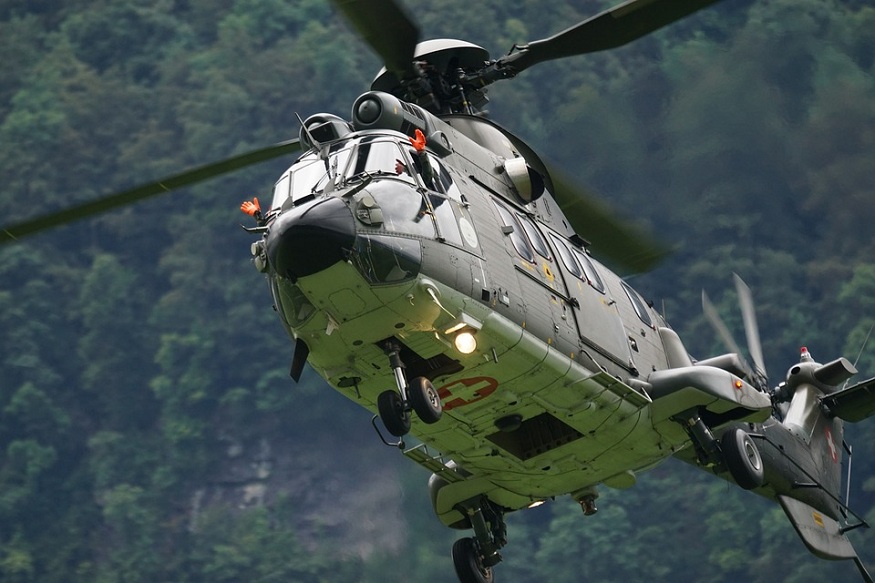
Nobody talks about it at industry conferences. Fleet managers dodge the topic during budget meetings. But grounded aircraft bleed money in ways that would make accountants weep. Sure, everyone knows a broken helicopter can’t earn revenue. That’s kindergarten math. The real financial nightmare lurks in places most operators never bother to calculate.
The Obvious Costs Are Just the Beginning
Let’s say your aircraft normally pulls in five grand per flight day. Park it for a week with mechanical issues? Kiss thirty-five thousand goodbye. Easy calculation, right? Wrong.
That’s where lazy math stops and real problems start. Your mechanics still want their paychecks on Friday. The hangar lease comes due whether birds fly or collect dust. Insurance companies don’t care that your fleet’s grounded; they want their money anyway. These expenses just keep rolling while your revenue flatlines.
Customer Trust Evaporates Faster Than Fuel
Broken promises break businesses. Cancel on a hospital because your aircraft won’t start? They’ll find someone else. And not just for today. For good. Blow off a corporate client’s important flight? That contract just grew wings and flew away. Forever.
Read More: The Cost of Adventure: Kenya vs. Tanzania Safari (And a Value-Packed 7-Day Kenya Itinerary)
Aviation circles are small. Everybody knows everybody. One failed mission becomes coffee shop gossip. Five unhappy customers become fifty people who heard you can’t deliver. Your phone stops ringing. New contracts dry up. Suddenly you’re that operator nobody trusts. Meanwhile, you’re burning cash on rental aircraft. Specialty birds cost a fortune to lease. Your crews hate flying unfamiliar equipment. Everything slows down. Mistakes happen. More money vanishes.
Prevention Pays But Nobody Wants to Spend
Every seasoned operator knows the drill. Good maintenance beats emergency repairs. Quality parts outlast cheap junk. Well-trained crews don’t break things. Yet somehow these line items always get slashed first when budgets tighten.
Ten grand spent today saves a hundred grand next year. Basic economics but try explaining that to penny-pinchers who can’t see past quarterly reports. Take ballistic protection systems for helicopters; companies like LifePort make gear that stops catastrophic damage before it grounds your fleet for months. Yeah, the invoice stings initially. But compare that to weeks of downtime after preventable damage. The math isn’t complicated.
Plenty of operators roll the dice, anyway. They push inspection intervals. Buy bargain-basement components. Skip upgrades that seem optional. It’s Russian roulette with spreadsheets. Works great until that chamber isn’t empty anymore. Then, suddenly, catastrophic failure, massive bills, and everyone asking why nobody saw it coming.
The Human Factor Nobody Measures
Grounded aircraft poison company culture faster than bad coffee in the break room. Mechanics crack under pressure. Pilots start doubting their equipment. Schedulers become professional apologists. Your best people polish their resumes and disappear. The ones who stay? They’re just counting the days until retirement.
Read More: Why Bus Rental Dubai Services Are Essential for Smooth Event Transportation
Stress causes mistakes. Mistakes lead to incidents. Incidents create more downtime. Round and round it goes. Breaking this death spiral requires massive cash injections and cultural rebuilds that take years. All because someone wanted to save a few bucks on maintenance. Skills rot when pilots can’t fly. Proficiency drops. Rust builds. When flights finally resume, everyone’s operating at 70% capacity. Maybe 60%. Safety margins shrink to nothing. Accidents become questions of when, not if.
Conclusion
Aircraft downtime is an iceberg, and most operators only see the tip poking above water. Lost revenue and repair costs? That’s the easy stuff to calculate. The unseen effects are severe: ruined customer relations, demotivated teams, lost skills, and damaged reputations. Smart operators invest in prevention because of the high cost of grounded aircraft. The rest learn these lessons the hard way, usually while watching competitors fly past them. By then, the damage is done and the bills had already come due.